Archive for 'Tourist Attractions'


Portoferraio, Elba
When you arrive on the Tuscan island of exile and paradise, Elba, you will usually first find yourself in the town of Portoferraio. A cultural and natural gem, it looks a little frozen in time and is utterly charming and picturesque. The capital of the island under Napoleonic times, its name means “Iron Port” and comes from the iron mills that facilitated the city's growth into the main shipping port of iron ore towards the mainland in the 19th century. This was further bolstered by the presence of Napoleon himself who briefly lived nearby when he was exiled to the island in 1814. During his stay, he set up infrastructure around the mills, economic reforms that modernised the island and architectural projects that heightened its beauty. His very presence drew curious types from all over and Elba suddenly became much more multi-cultural and a melting pot for ideas. This same legacy still draws many to visit this beautiful and fascinating island. Just find a vacation rental on the Tuscan Coast and you can join their number and see what all the fuss is about for yourself as well.     Read More


Piazza dei Cavalieri
The Leaning Tower is one of the first sights people think of when Pisa is mentioned but if you are planning a trip to the city, there are other cultural gems that you should take the time to visit. Pisa is a Tuscan city with a rich historical heritage and was an important artistic centre for a very long time.

As a result, wonderful buildings, monuments and artworks remain from both the distant past and from recent years. Many of these are free to visit (in fact, we've written two articles focusing on things to do for free in Pisa) and some are obscure enough to be devoid of the long lines that often plague Tuscany's cultural hot-spots.

Once you have found a villa with pool in the Pisa area, be sure to stop by these highlights in the city.     Read More


Cloisters of Camposanto
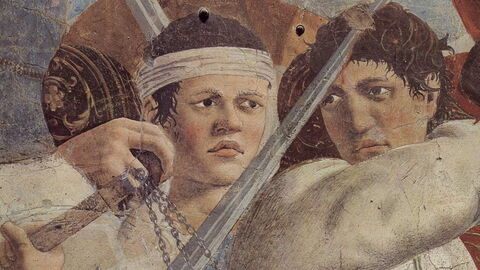
Upon arriving in Pisa, you might be momentarily blinded by the iconic Leaning Tower and the many photo opportunities it provides. If you look a little further, you might venture towards the church next door, lured by the sound of beautiful singing. If you look yet a little closer still, you'll see the Camposanto (literally meaning “holy field”), or Monumental Cemetery, which is the final resting place of important and famous individuals and wonderfully combines stunning architecture and beautiful frescoes.

Constructed in 1278, using sacred dirt brought back from Golgotha during the Crusade, it was later decorated with extensive frescoes and was the burial place of the Pisan upper classes for centuries. For those who have found a holiday rental in Pisa, it might not be the most obvious tourist attraction but it is well worth a visit.     Read More


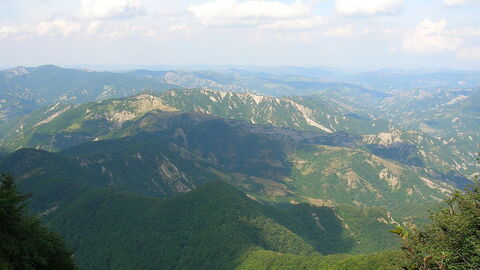
Bibbona is a Tuscan town, located not far from the coast in Livorno. It has an exceptionally pretty and picturesque historical centre and old town that is centred around the parish church of Sant'Ilario and a preserved medieval appearance. Built on a unique plan, it is formed by a set of concentric circles that are connected by narrow streets and steps.

The result is charming and evokes the long and rich history of the area. The surrounding area of the town is rich in natural delights, such as nature reserves and stretches of agricultural land that produces delicious wine and olive oil, and is peppered with equally captivating little hamlets such as the seaside resort of Marina di Bibbona.     Read More


The View from Villa dei Mulini
Napoleon was very famously temporarily exiled, after his forced abdication in 1814, to the island of Elba, the idyllic Tuscan island that is the third largest in Italy – hardly what most would call a “punishment”! In fact, he lived very well on the island and even had two different dwellings for the 300 days that he spent there. Villa dei Mulini was one and the other was Villa San Martin. Villa dei Mulini, also known as Palazzina dei Mulini (Palace of the Mills), is located in Portoferraio and was chosen by Napoleon as his state residence.     Read More