The Tuscan town of Collodi, not far from Florence, is most famous as the place where the beloved children's character Pinocchio was created by author Carlo Collodi and featured in the 1883 book, “The Adventures of Pinocchio”. Propelled into fame on a global scale when the story was made into an animated classic by Disney in 1940, Pinocchio became an integral figure in the lives of many children throughout the world. Those who are particularly fond of the puppet who learned how to become a boy and his story and who have found a luxury villa in Collodi (or who have found a luxury villa in Florence and are planning a day trip to the area) will, no doubt, be sure to plan a trip to the theme park dedicated to character, Pinocchio Park. Throughout the town, too, you will find lots of different tributes to the story and plenty of souvenirs on sale from the massive statue of the puppet visible all over town to the little Pinocchio figures sold all over. However, if you are not merely interested in Pinocchio, you will find that the charming little town of Collodi actually has more to offer visitors beyond the park with its rides and whimsy, it is also home to the exceptional Garzoni Gardens and the Butterfly House, which are located just a few minutes away on foot.
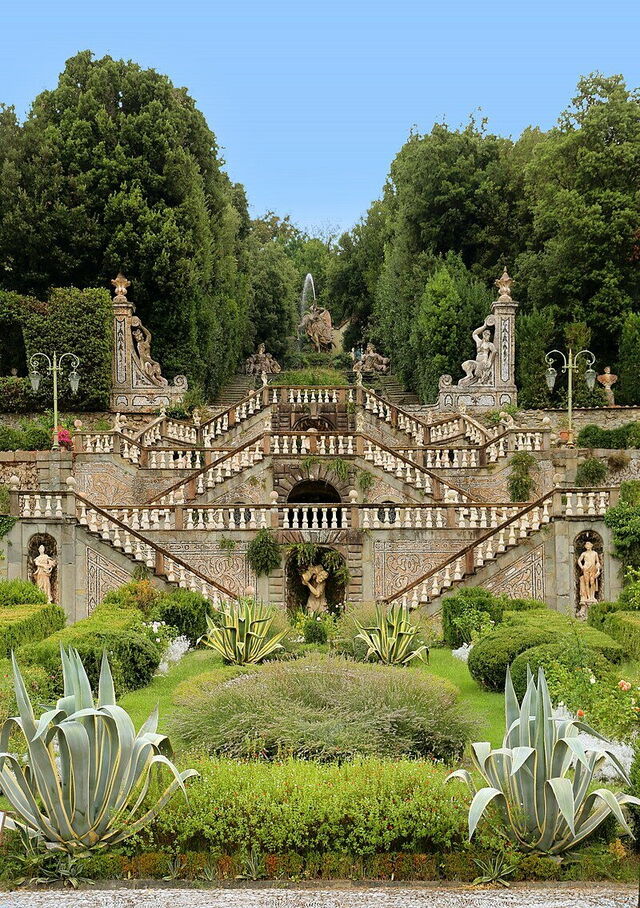
Designated a National Monument by UNESCO in 1912, the Giardino Storico Garzoni (or Historic Garzoni Garden) is a High Baroque Italian-style terrace garden of exceptional beauty that exemplifies Tuscan taste and culture of the 18th century. Created by the Garzoni family, a powerful family from Pescia who had their property seized and were forced to flee to Lucca, they rose to power within the local government and then built a large and impressive estate on the border of the lands of Lucca and the Grand Duchy of Florence.
The first record of the villa and gardens on the site date back to Marquess Romano in 1633 and then Alessandro Garzoni was recorded as making changes to the estate in 1652. It was Alessandro who likely acted as the first architect of the gardens and the pioneering work took a total of 170 years to complete with the final layout, water garden, and beloved Summer House attributed as the work of local architect Ottavino Diodati in 1786. One of the great gardens of Italy and of Europe, more widely, it influenced the designers of Potsdam, Fontainebleau, and Versailles and is an expression of post-Renaissane ideals such as geometric designs softened by planting and impressive and fantastical statuary and sculpted works. Built into a hillside, the gardens feature a series of balustraded terraces and a suite of symmetrical staircases connecting the water garden at the foot to the house and other garden features at the top.
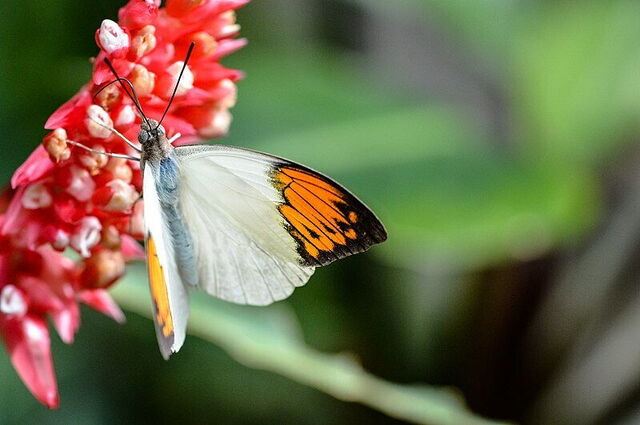
The villa is similarly lauded and is an imposing structure built over four storeys. Once called the “villa of the hundred windows,” it was a famous gem that hosted even Napoleon. Home to the Garzoni family until the 20th century, the property fell into ruin before being restored in 2000 by the toy manufacturer Enrico Preziosi who decided to buy it and fix it up. The gardens are now opened to the public for visits as part of the Pinocchio Park experience. In addition to the gardens, the Butterfly House, or Casa delle Farfalle, can also be visited, which is home to hundreds of butterflies native to tropical or equatorial areas. Flying free in a tropical garden, lush with plants, flowers, and fruits in a greenhouse where their environment of origin is perfectly recreated, it is a magical experience to stroll through this colourful and beautiful space. There are also plenty of other creatures to spot such as birds and turtles, amongst the fascinating flora.
So, if you have found a vacation rental in Collodi and were thinking about planning a trip to Pinocchio Park here are two other excellent attractions on the grounds that make it an absolute must-see for those on holiday in this part of Tuscany!
The first record of the villa and gardens on the site date back to Marquess Romano in 1633 and then Alessandro Garzoni was recorded as making changes to the estate in 1652. It was Alessandro who likely acted as the first architect of the gardens and the pioneering work took a total of 170 years to complete with the final layout, water garden, and beloved Summer House attributed as the work of local architect Ottavino Diodati in 1786. One of the great gardens of Italy and of Europe, more widely, it influenced the designers of Potsdam, Fontainebleau, and Versailles and is an expression of post-Renaissane ideals such as geometric designs softened by planting and impressive and fantastical statuary and sculpted works. Built into a hillside, the gardens feature a series of balustraded terraces and a suite of symmetrical staircases connecting the water garden at the foot to the house and other garden features at the top.
The villa is similarly lauded and is an imposing structure built over four storeys. Once called the “villa of the hundred windows,” it was a famous gem that hosted even Napoleon. Home to the Garzoni family until the 20th century, the property fell into ruin before being restored in 2000 by the toy manufacturer Enrico Preziosi who decided to buy it and fix it up. The gardens are now opened to the public for visits as part of the Pinocchio Park experience. In addition to the gardens, the Butterfly House, or Casa delle Farfalle, can also be visited, which is home to hundreds of butterflies native to tropical or equatorial areas. Flying free in a tropical garden, lush with plants, flowers, and fruits in a greenhouse where their environment of origin is perfectly recreated, it is a magical experience to stroll through this colourful and beautiful space. There are also plenty of other creatures to spot such as birds and turtles, amongst the fascinating flora.
So, if you have found a vacation rental in Collodi and were thinking about planning a trip to Pinocchio Park here are two other excellent attractions on the grounds that make it an absolute must-see for those on holiday in this part of Tuscany!
Photo credits
Picture 1: Sailko / CC BY-SA 4.0;
Picture 2: Xfilippoph82 / CC BY-SA 4.0
Picture 1: Sailko / CC BY-SA 4.0;
Picture 2: Xfilippoph82 / CC BY-SA 4.0