Espresso Pot
Posted in: Food and Wine Products & Specialities
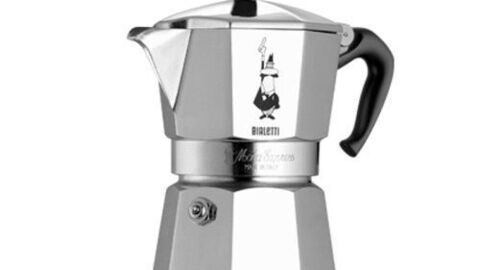
After our recent article about espresso, it occurred to me that the espresso pot found in many vacations rentals can cause anxiety for those unfamiliar with its use. People familiar with the on button an automatic drip coffee maker might see this as more of a rubik's cube than a coffee pot. Those who already know may be able to add some more insight to the comments, but do not be alarmed: it is much easier than it appears. The first time I used one of these, I filled the top with water and ended up with little more than a mess and very foul tasting water.
Espresso
Posted in: Food and Wine Products & Specialities
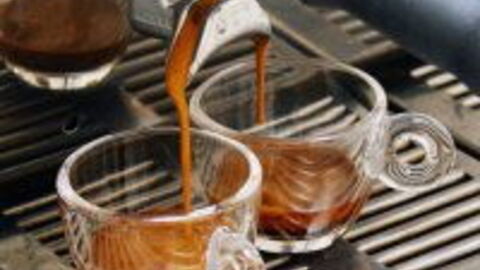
Anyone traveling to Italy will be quick to realize that Italians take their coffee seriously. In the morning in the busier cities, most customers will be in and out of the coffee bars in under five minutes and on their way to work. The brown elixir seems to run in the veins of the population. Espresso is served throughout Italy with little variation on the standard drinks; there may not be cookie-cutter Starbucks dotting the landscape, but a Cappuccino is a Cappuccino anywhere you will go in Italy.

Like much of Italian cuisine the focus of espresso is on quality ingredients and techniques, not lots of extras or heavy syrups to cover the natural flavors. In the same way a Barista in Italy is not some high school kid double checking a chart to see how to make what you ordered, but a craftsman and artist rolled into one.
Posted in: Food and Wine Recipes
Tuscan Cabbage on toasted bread

Ingredients:

  • Black Tuscan Cabbage, 4 bunches

  • 4 slices Whole Wheat Bread (Pane Casalingo)

  • Garlic

  • Extra Virgin Olive Oil

  • Salt

  • Black Pepper

Grappa
Posted in: Food and Wine Products & Specialities
Wine is often the first thing that comes to mind when one thinks of Italy, and it has indeed been a chief export of Italy for thousands of years. Italy and wine are almost inseparable, but what is to be done with what is left over from wine production? Many wine-makers used the remains as compost to fertilize the vineyards the next year, and some pressed them into disks to be used like charcoal to heat the fires for distillation of brandy. All good and productive uses for what appeared to be little more than refuse after squeezing out the lifeblood of the grapes. However, grappa was created one fateful day and the Italians have used it ever since as a 'digestivo', a drink to aid in digestion after meals.