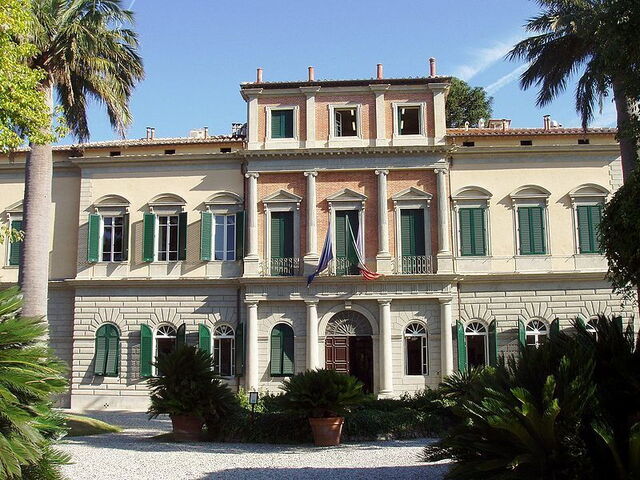
When one thinks of Pisa, the Leaning Tower of Pisa is the very first attraction that springs to mind but the city has much much more to offer visitors. The Botanical Gardens, the Orto Botanico di Pisa, is one of the city's less well-known sights to tourists but is very much worth a visit.
With an enormous collection and as an oasis of calm at the centre of the city, it's somewhere to get lost in your thoughts and the surrounding beauty for hours on end.
Find a luxury villa in Pisa and spend a day or an afternoon amongst the plants and quiet.
With an enormous collection and as an oasis of calm at the centre of the city, it's somewhere to get lost in your thoughts and the surrounding beauty for hours on end.
Find a luxury villa in Pisa and spend a day or an afternoon amongst the plants and quiet.
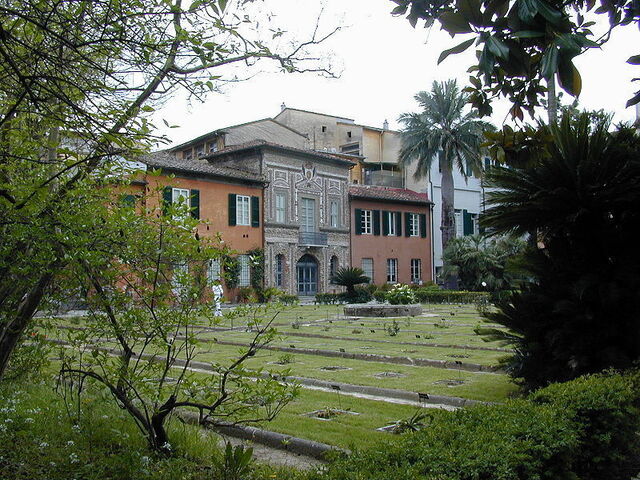
Pisa's Botanic Gardens are situated in the centre of Pisa, just minutes from the Leaning Tower. The oldest botanic gardens in Italy and Europe and among the oldest in the entire world, they are part of the University of Pisa.
It was founded in 1543 by the famous Pisan physician and botanist, Luca Ghini, and established with the construction of a medicinal herb garden, for Cosimo I de' Medici.
This garden housed and studied plants with medicinal properties and grew, catalogued and exhibited them from a pharmacological point of view in addition to according to identity and nomenclature.
It was founded in 1543 by the famous Pisan physician and botanist, Luca Ghini, and established with the construction of a medicinal herb garden, for Cosimo I de' Medici.
This garden housed and studied plants with medicinal properties and grew, catalogued and exhibited them from a pharmacological point of view in addition to according to identity and nomenclature.
They also promoted drying the plant samples so that work could be exchanged and continue no matter the season.
This work was complimented by illustrating the samples careful for further record of their appearances and properties.
During the sixteenth century a library, gallery of specimens and laboratory were added. The holdings of drawings and other artworks depicting plant-life developed a well-respected reputation for artistic quality and a picture gallery was added in the seventeenth century.
In the nineteenth century, greenhouses, tepidaria a building to house the botanical department were built. The gardens continue to have an enduring educational importance at university level and in programmes aimed at the public and children.
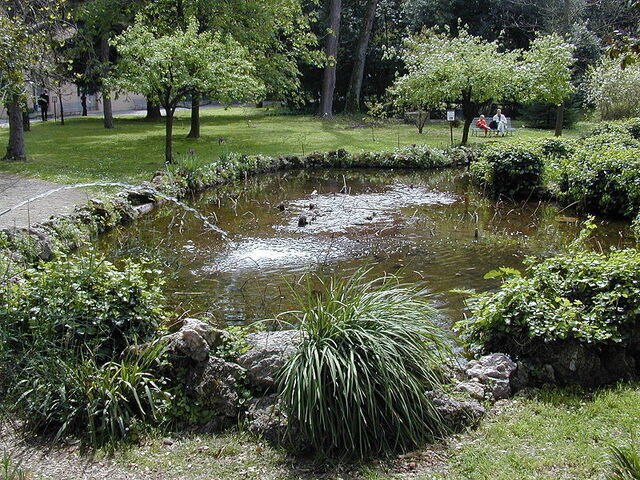
Only the old institute has maintained its original appearance but the gardens are still a treasure to behold. Highlights include exotic and aquatic plants (some of which no longer exist in the wild), the Pharaonic collection of plants from Eqypt and examples from the tombs of Pharaohs, the arboretum and the greenhouse dedicated entirely to succulents.
The gardens are open Monday to Saturday and costs only €2.50 with reduced rates alongside free entry for students, children, graduates of the university and people with disabilities. If you find yourself in Pisa and need a moment to catch your breath as you run around the city, there could be no better place to do so than the Botanic Gardens!
This work was complimented by illustrating the samples careful for further record of their appearances and properties.
During the sixteenth century a library, gallery of specimens and laboratory were added. The holdings of drawings and other artworks depicting plant-life developed a well-respected reputation for artistic quality and a picture gallery was added in the seventeenth century.
In the nineteenth century, greenhouses, tepidaria a building to house the botanical department were built. The gardens continue to have an enduring educational importance at university level and in programmes aimed at the public and children.
Only the old institute has maintained its original appearance but the gardens are still a treasure to behold. Highlights include exotic and aquatic plants (some of which no longer exist in the wild), the Pharaonic collection of plants from Eqypt and examples from the tombs of Pharaohs, the arboretum and the greenhouse dedicated entirely to succulents.
The gardens are open Monday to Saturday and costs only €2.50 with reduced rates alongside free entry for students, children, graduates of the university and people with disabilities. If you find yourself in Pisa and need a moment to catch your breath as you run around the city, there could be no better place to do so than the Botanic Gardens!
Photo credits
picture 1: Daderot / CC BY-SA 3.0;
picture 2: Laurentius / CC BY-SA 2.5;
picture 3: Laurentius / CC BY-SA 3.0
picture 1: Daderot / CC BY-SA 3.0;
picture 2: Laurentius / CC BY-SA 2.5;
picture 3: Laurentius / CC BY-SA 3.0