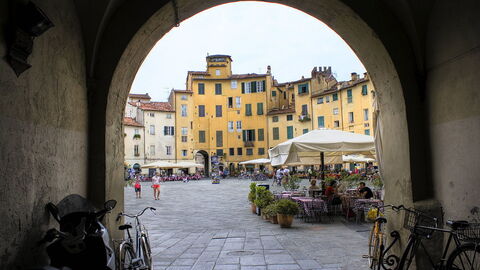
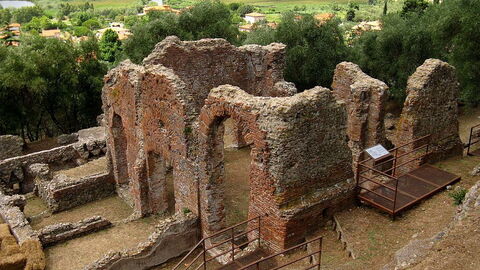
The walled city of Lucca is a stunning medieval gem that is full of incredible buildings, palaces, churches, pretty, little side streets and winding alleys, works of art, cultural hotspots, and historic beauties. If you find a vacation rental in the Province of Lucca or a holiday rental in Lucca, you will quickly realise that just wandering the streets of this charming city, so steeped in history, is a delight in its own right and utterly transports you back in time. However, it is not just the city that is rich in history and culture, the wider province around Lucca is full of little gems and fascinating surprises. One such gem is Massaciuccoli Romana, an archaeological complex that is home to a wide variety of ruins and remains from the time of the Romans including villas, baths, and more.
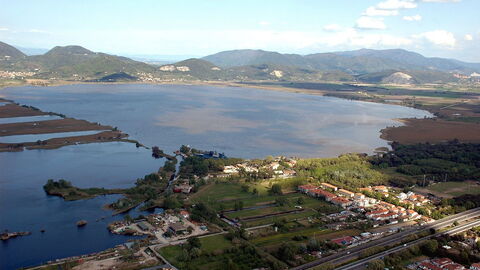
Located in the municipality of Massarosa, on the banks of Lake Massaciuccoli, the first indications of the Massaciuccoli Romana complex were first discovered back in 1756 though there wasn’t much public interest or involvement from the larger academic world until the 19th, and then the 20th, century. A Roman lead pipe inscription (a Latin inscription that is found on leaden Roman water pipes and which provides information on its manufacturer, owner, and often the reigning emperor) was found in 1770 and then the western sector of another group of structures was discovered in the 1930s, which included a balneum (a thermal plant built for private, rather than public, use) and mosaics, that were deemed to be part of a villa. In the 2000s the work at Massaciuccoli Romana was officially taken up and continued under the authority of the Municipality of Massarosa. The Municipality also opened the site as a tourist attraction and museum in this time period and continue to promote education, research, and excavation on the site to this day.
27
Feb
2020
2020