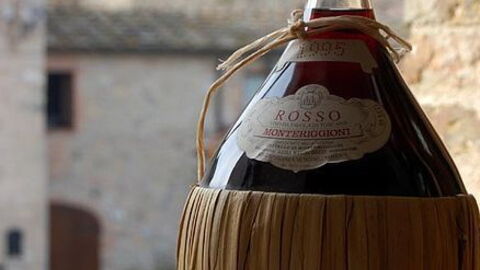
Chianti
Posted in: Food and Wine Products & Specialities Wineries & Breweries
Anyone who knows anything about wine, and even those who don’t know much at all will have heard of the fantastic wine that is sometimes nicknamed the "Bordeaux of Italy".

Yes Chianti wine is famous, first being classed as a ‘type’ of wine in the 13th century. The primary grape used for reds is Sangiovese.

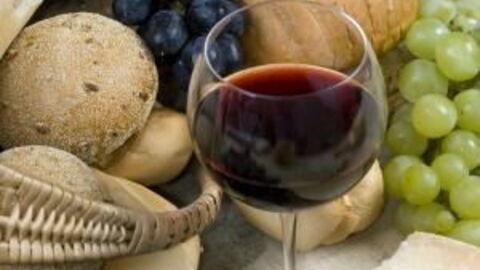
Red Chianti wine is often defined as a fruity wine meaning that it will also appeal to new wine drinkers. If you are new to the world of wine but would like to learn then Chianti offers many tours of wineries that are both enjoyable and enlightening.

The wine itself has many different flavours associated with it including cherry, spice, tobacco, and almonds.

It is often found accompanying well seasoned foods as it is strong and bold in flavor, and thus it is the perfect compliment to the traditional Italian cuisine

So if Guinness tastes better in Ireland, do you think Chianti Wine tastes better in Italy? If you’d like to find out while also taking a holiday in Italy, why not have a look at some of the holiday villas available in Tuscany and the Chianti Region itself? With guided wine tours and fantastic scenery and food, it’s something you don’t want to miss out on.
Fiasco

Chianti Wine

Posted in: Chianti Food and Wine Localities Products & Specialities Wineries & Breweries
The Chianti region does not have clearly distinguishable boundaries based on morfological, geographical or climatic criteria. The only unifying element of the region is the production of a high quality red wine since the 12th century. The name, which comes from the Etruscan "Clante-i", was mentioned for the first time in documents from the 8th century in defining the territories of the ancient Lega (League), the administrative district that included the current communities of Radda, Gaiole and Castellina. 

In 1932 the Chianti wine area was completely re-drawn and divided in seven sub-areas: Classico, Colli Aretini, Colli Fiorentini, Colline Pisane, Colli Senesi, Montalbano and Rùfina. Most of the villages that in 1932 were suddenly included in the new Chianti Classico area added in Chianti to their name-such as Greve in Chianti which amended its name in 1972. Wines labeled Chianti Classico come from the biggest sub-area of Chianti, that sub-area that includes the old Chianti area.

The other variants, with the exception of Rufina from the north-east side of Florence and Montalbano in the south of Pistoia, originate in the respective named provinces: Siena for the Colli Senesi, Florence for the Colli Fiorentini, Arezzo for the Colli Aretini and Pisa for the Colline Pisane. In 1996 part of the Colli Fiorentini sub-area was renamed Montespertoli.