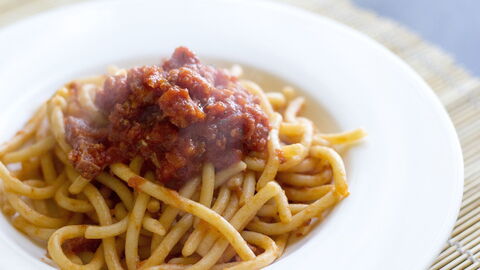
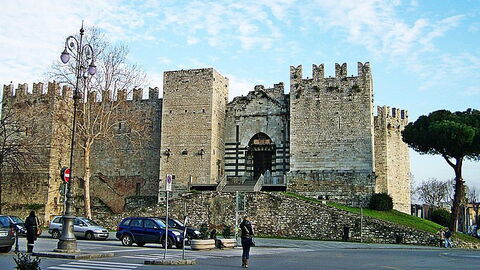
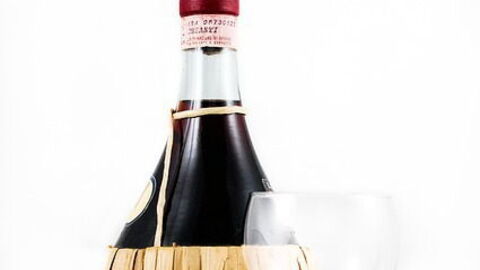
A vacation in Tuscany in fall means taking in the famously beautiful landscapes of the region made even more stunning by the autumnal colours that take over, means bargains as off-season prices kick in after the summer, means smaller queues and fewer crowds, and it means less intensely hot weather. However, one of the best things about travelling in the region through fall is that it is harvest season, which means that there are all sorts of hearty regional dishes to try and all sorts of perfectly fresh and delicious foods and produce to sample. While truffles, apples, and other fruits and vegetables are important to the autumnal cuisine of Tuscany, one of the key ingredients that you will find in all sorts of delicious dishes and desserts come fall is the chestnut.
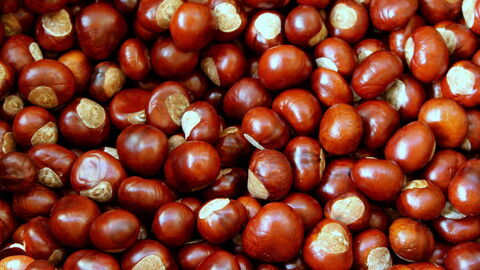
At their best in October, chestnuts are prepared in quite a wide variety of different ways from roasting to boiling to mashing to being used to make a flour and then turned into various kinds of confections. Grown at an elevation, they are found mostly in mountainous regions such as along the Apuan Alps and the Apennines and in areas such as Lunigiana, Garfagnana, Pistoia, the Casentino, around Marradi, and in the Mugello. However, as big cities such as Florence and Siena are nearby, you'll find chestnut-based goods all over Tuscany in the fall. If you are fond of chestnuts, in particular, or if you just happen to be planning on finding a villa in Tuscany and exploring the foodie delights of the region this autumn then here are some of the must-try chestnut-based dishes that you should add to your culinary bucket list...
13
Sep
2021
2021