Archive for 'Recipes'


Cookies
We've previously discussed Italy's Santa, a witch called Befana, before. Befana is a good witch, whose name comes from the Roman dialect's pronunciation of the Italian "epifania" (or Epiphany), and comes delivering gifts for the good children, and lumps of coal to the bad ones on the 5th of January, the night before Epiphany, to make up for missing Jesus long ago. She is visualised as an old and ugly witch who flies on her broom and delivers presents in stockings hanging over the fireplace (sounds familiar!), coming down from the chimney.

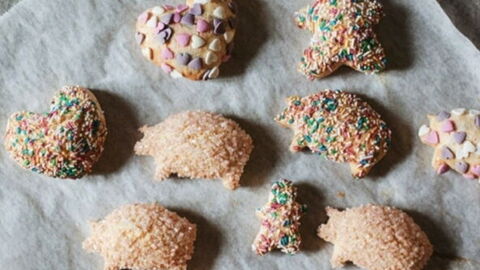
Befanini, meanwhile, are soft, sprinkle-covered, cake-like lemon-scented cookies that are typical of the Versilia area on the Tuscan coast. Traditionally made on the 5th, when the Befana is coming to visit, they are beloved of kids and adults alike and for good reason: they're delicious!     Read More
  

Berlingozzo
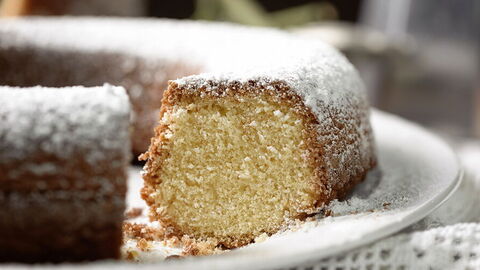
If you have always wanted to visit Tuscany, one of the most fun and interesting times of year to go is during the celebrations of Carnevale. Carnevale, or Carnival, is that famous last lavish festive period that marks the beginning of the fasting period Lent in the run up to Easter. One of the most indulgent days is Martedì Grasso, also known more commonly as the French Mardi Gras. This “Fat Tuesday” is a day to stuff your face and one of Tuscany's favoured traditional treats is Berlingozzo, a simple ring-cake originally from Lamporecchio, in the province of Pistoia. Dating back to the time of the Medici, it is actually a rather humble, plain cake rooted in local peasant cuisine and was traditionally eaten on the Thursday before Easter (called ‘Berlingaccio’), which closed the carnival celebrations. It pairs perfectly with local wines such as Vin Santo or a creamy cappuccino for a sweet breakfast.     Read More


Pappa al Pomodoro
Pappa al Pomodoro is one of those quintessentially Tuscan dishes, though it may be your first time hearing of it! Funnily enough, tomatoes were only introduced to Italy from the New World relatively recently and, yet, they made an incredible impact on European cuisine and Tuscan food, in particular. Now many of the most Tuscan dishes that one can think of, feature tomatoes: whether this be a newly created dish or one that was centuries old already, before the addition of tomatoes!

Pappa al Pomodoro is one of the most traditional Tuscan soups and is easy to make, healthy and (most importantly) tasty! The key is getting the best, freshest ingredients possible and some really great (but stale) bread (ideally unsalted, Tuscan-style bread) to accompany it.     Read More


Crostata di Marmellata
A crostata is an Italian baked tart or pie and they can be traced back to at least the 15th century in their modern form. It is characterised by being a "rustic free-form version of an open fruit tart". Traditionally, a crostata consists of a base of three layers of friable dough but, today, shortcrust pastry is used instead. It is differentiated from a torta by its filling, as a crostata has an inconsistent chunky filling, whereas a torta has a consistent filling made of ingredients that have been blended together.     Read More


Brigidini
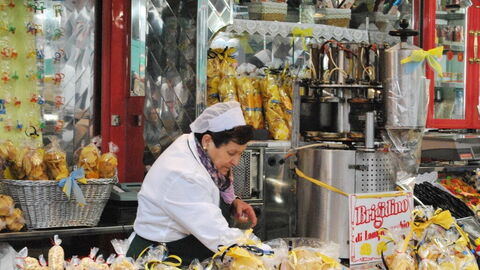
Brigidini are thin, yellow-orange coloured cookies, not unlike waffles, that come from the village of Lamporecchio, near Pistoia. You will find them at almost every fair, events and food festival that takes place in Tuscany, often made fresh, right in front of you. They are one of the oldest sweets still made today in Tuscany and have even come to symbolise the region. Like many well-known products of Italian cuisine, they seem to have been born from a mistake. Local lore tells that they back to 1300, when Sister Brigida, made a pilgrimage, from her country of Sweden, to Tuscany. Here, she founded the Order of the “Brigidine” and, one day, while she was preparing the hosts for the Mass, she made a mistake. The result were some crumbly, thin and tasty anise cookies.     Read More