Sitting atop three hillsides that dominate their section of the Arno river valley,
San Miniato has resided for hundreds of years. Recorded history dates back to the time of Etruscans and the Romans, but archaeological evidence shows that a settlement of some type has existed on this spot since the Paleolithic era.
The city today lies in the province of Pisa and has roughly 27,000 people in it. On first inspection, San Miniato may not appear to be anything out of the ordinary for Tuscany. Look closer, and a bit lower and you just might find something though...
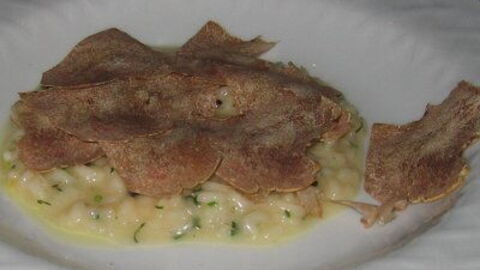
San Miniato is known for not something that grows above ground, such as the olives and grapes that are so iconic for the region. Instead, this small town produces 25% of Italy's white truffles, prized by chefs and gourmands everywhere. Known as the Tuber Magnatum Pico, or the Food of the Kings, it grows only centimeters below the ground and can be found in a very limited area. As many things in Italy, strict laws govern how the truffles can be gathered and sold. It was here in San Miniato that the largest white truffle on record was found. It was presented as a gift to a visiting Harry Truman just after the end of his presidency in 1954.