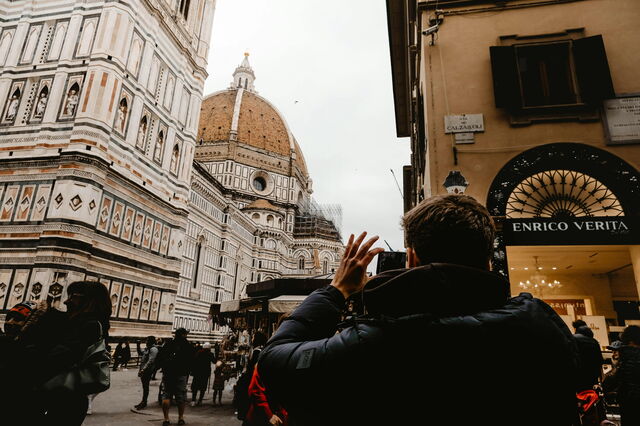
In our final post in this series for first-time visitors to Florence, we are introducing the other key bits of basic information that should leave you ready to travel and enjoy your vacation with confidence. Of course, if you book a villa in Florence with us and ever need any help throughout your trip, you can always get in touch and contact us but, for your convenience, here’s a handy guide to some things to expect.

Electricity
The electric current in Italy is 220 volts, 50 cycles alternating current. If you're coming from the US, which runs at 100 volts, 60 cycles, you'll need to bring converters. If you're coming from the UK or Europe, all you will need to bring is a travel plug. While older buildings can have different kinds of sockets, there are generally two main kinds that you will likely encounter: the common two-pronged variety or the three-pronged type that is usually for domestic appliances such as fridges.
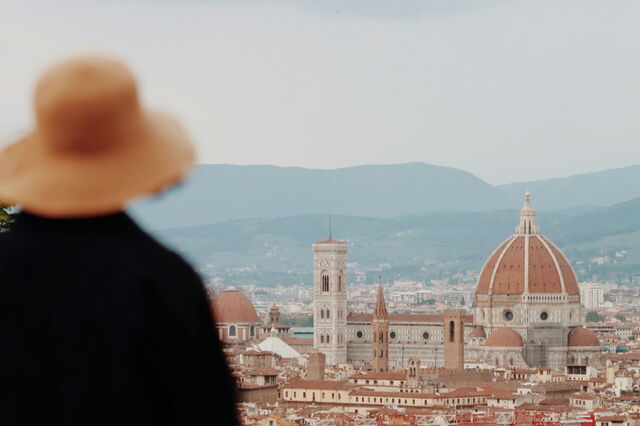
Money
Italy has been part of the Eurozone since 1999 and the currency used is the euro. While you are on vacation in Florence, you will be able to find an abundance of ATMs in the city and banks are usually open from 8.30am to 1pm, with some reopening in the afternoon, usually from 2.30pm for an hour or so.
While you will be able to use your credit cards almost universally in Florence and Italy, it is debit cards, cash, and digital wallets that are most commonly used by locals. You can also usually use credit cards in most taxis but it is always a good idea to ask when you get into the vehicle, just to be sure. Credit cards can also be used in convenience stores, coffee shops, and restaurants but will often not be permitted for smaller purchases. Furthermore, even many vendors at markets will be able to accept card payments nowadays.
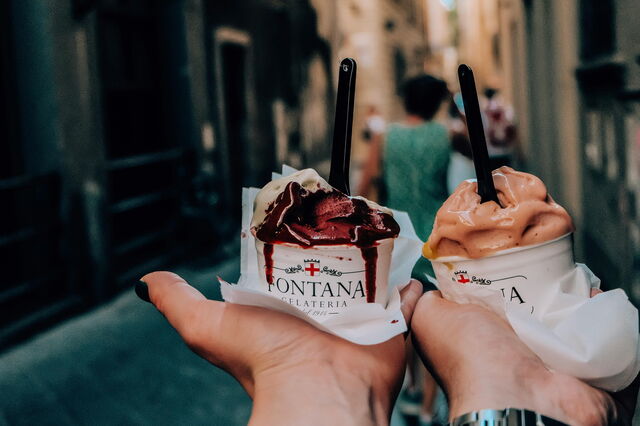
Language
Of course, Italian is the language spoken in Florence but as it is a major cultural hub and tourist attraction, you will often find lots of people who speak English and other languages. The historic monuments and tourist attractions, in particular, as well as many shops, will have members of staff who can speak English, French, German, Spanish, Portugese, Polish, or Russian.
If you have booked a vacation rental in Florence and are staying for more than a week or two, meanwhile, you might want to avail of large number of Italian language schools in the city. Sign up for a language course or maybe one of their cultural courses, such as one on art history or Tuscan cuisine, and you can learn even more and deepen your experience of the city. The cultural courses run by the language schools are also a good shout as they usually cost far less than the bespoke ones, which can cost up to thousands of euros.
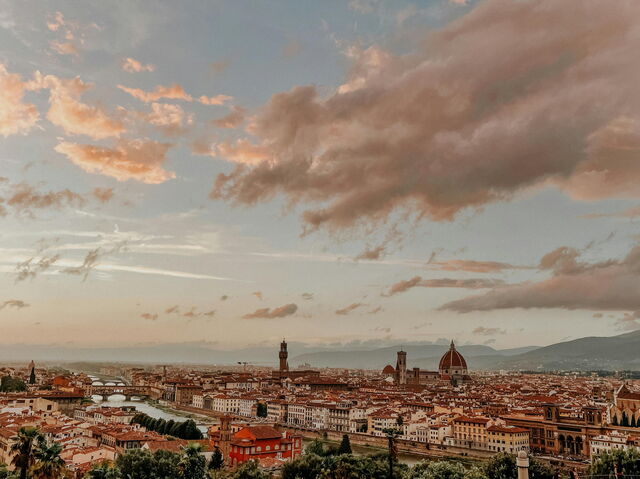
Health
If the unfortunate situation might happen that you need to go to the hospital while you are staying in one of our holiday rentals in Florence, you will, however, discover that the city has excellent facilities. Ospedale Careggi, the main hospital, is famous throughout the country and the children’s hospital, Meyer Hospital, is also considered among the best in Italy.
Safety
While there are some issues with pickpockets, like in any major tourism city, Florence is a relatively safe place to travel. Simply stay alert, ensure your valuables are secure and out of sight, and you shouldn’t have any major problems.
Emergency Numbers in Italy
Here is a list of the main numbers you should have to hand in care you need them during your vacation in Tuscany:
112 - Carabinieri (local police)
113 - Police (state police)
115 - Fire service
116 - A.C.I. (Italian Automobile Club) roadside assistance.
118 - Ambulance