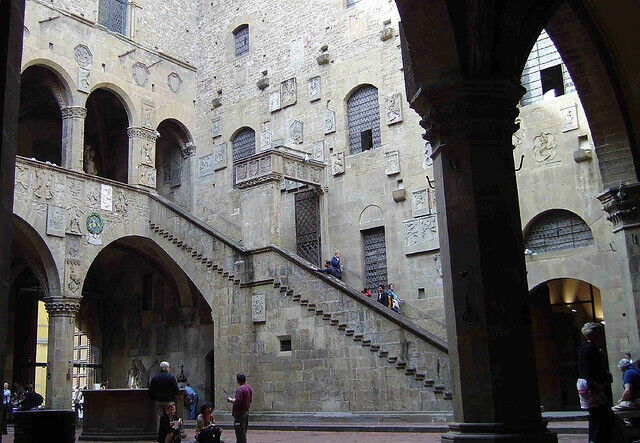
The Bargello is one of the best and most important art museums in Florence and is set inside one of the oldest buildings in the city. Dating back to 1255, it was originally the headquarters of the Capitano del Popolo and later of the Podestà. In the sixteenth century, it became the residence of the Bargello (head of the police) and was used as prison during the whole 18th century. The building became a National Museum as of the mid-19th century. If you have a particular fondness for sculpture, especially early works by great masters such as Donatello and Michelangelo, this is just the museum for you.
Find a luxury villa in Florence and spend a pleasant afternoon wandering through the forest of amazing sculptural works on display. The following are just three works that you should consider checking out.
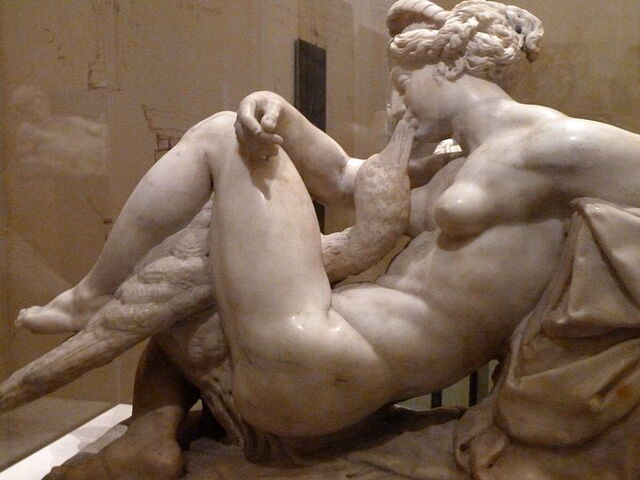
Ammannati's name is unlikely to be well-known to most. However, his “Leda and the Swan” is a definite highlight of the Bargello's collection. Ammannati was an architect and sculptor born near Florence who worked across Italy. As a sculptor, he largely imitated Michelangelo's Mannerist style. His “Leda” is important as it is after a lost work by Michelangelo and brings to life the great master's piece. Made of marble for the Duke of Urbino, and dating to the 1540s, it depicts the mythical figures of Leda and Zeus as the swan.
Ammannati's name is unlikely to be well-known to most. However, his “Leda and the Swan” is a definite highlight of the Bargello's collection. Ammannati was an architect and sculptor born near Florence who worked across Italy. As a sculptor, he largely imitated Michelangelo's Mannerist style. His “Leda” is important as it is after a lost work by Michelangelo and brings to life the great master's piece. Made of marble for the Duke of Urbino, and dating to the 1540s, it depicts the mythical figures of Leda and Zeus as the swan.
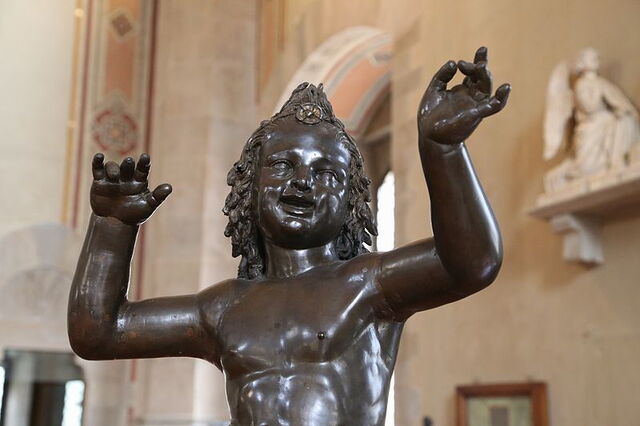
A work by a much more well-known name is Donatello's “Atys”. The bronze work from c.1440, has been named but not definitively identified. The young male figure bears multiple iconographical details but none have allowed for certain identification. Guesses have included Priapus, Mercury, Perseus, Cupid, Harpocrates, Mithra, Ebrietas, and the guardian figure Genius. However, none fit perfectly. The greatest clue to his identity may have been the object he once held but which has been lost since at least 1677. The figure of Atys, however, was a beautiful shepherd who was hand-picked by Cybele as her priest. Lively and engaging, it shows the dynamic qualities of Donatello's work.
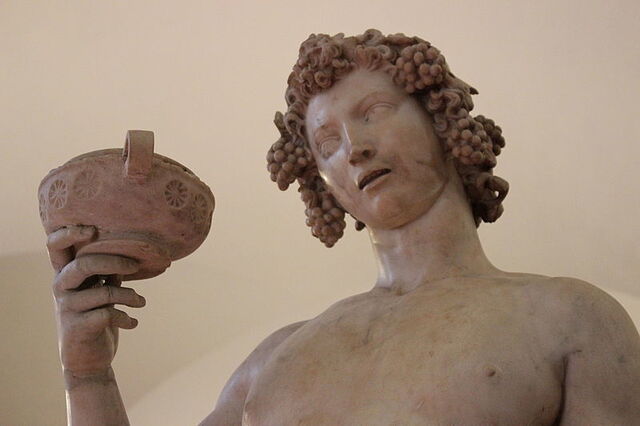
The final work to be mentioned here is Michelangelo's “Bacchus”. The swaggering, languorous figure of Bacchus immediately characterises the god. Teetering, he is shown in a state of drunkenness and tension so that one worries he really will topple over.
While it has been argued that this depiction is overly simplistic and not fit for a god, the work is still remarkably playful and full of life.
It is both a little unlike what we think of when Michelangelo springs to mind and seriously engaging.
A trip to the Bargello offers a glance at earlier works by the great artists and something outside the more clichéd itinerary of art in the city. Be sure to visit if you find yourself in Florence.
While it has been argued that this depiction is overly simplistic and not fit for a god, the work is still remarkably playful and full of life.
It is both a little unlike what we think of when Michelangelo springs to mind and seriously engaging.
A trip to the Bargello offers a glance at earlier works by the great artists and something outside the more clichéd itinerary of art in the city. Be sure to visit if you find yourself in Florence.
Photo credits
picture 1: PROScottOldham / CC BY-SA 2.0;
picture 2: Dave & Margie Hill / Kleerup / CC BY-SA 2.0;
picture 3: Rufus46 / CC BY-SA 3.0;
picture 4: Miguel Hermoso Cuesta / CC BY-SA 4.0
picture 1: PROScottOldham / CC BY-SA 2.0;
picture 2: Dave & Margie Hill / Kleerup / CC BY-SA 2.0;
picture 3: Rufus46 / CC BY-SA 3.0;
picture 4: Miguel Hermoso Cuesta / CC BY-SA 4.0